Some of India’s most enduring forms of dress are centuries old. Unstitched cloth can become a sari, turban, lungi, dhoti, veil or scarf, proving that versatility has always been part of the country’s style vocabulary.
The 1970s added a distinctive new layer. Cinema, youth culture and changing ideas about everyday clothing encouraged people to experiment with silhouette, colour and accessories. Often grouped under the broad label “retro,” the decade mixed local traditions with global influences rather than following one uniform look.
6. A new way of wearing the sari
Indian cinema helped popularise tightly draped saris with pleats gathered below the knee, a silhouette strongly associated with screen style of the period. Mumtaz’s memorable drapes became an especially recognisable reference.
Blouses also became an important site of experimentation. Sleeveless cuts, lower backs and more tailored shapes gave wearers new ways to update a familiar garment. The result was not the replacement of tradition, but a playful reworking of it.

5. The rise of kurtis
The decade embraced many versions of the kurti: generally longer than a shirt but shorter than a conventional kurta or kameez. Women paired them with fitted churidars and, increasingly, jeans. Men also adopted variations of the kurta as informal style broadened.
This balance of comfort and shape explains why the pairing remains familiar today. It offered an accessible route into fashion—recognisably Indian, easy to wear and open to differences in fabric, print and length.

4. Eyewear became a statement
Sunglasses moved beyond their practical purpose to become an instantly visible style choice. Large frames appeared throughout popular cinema, often paired with fitted shirts, flared trousers and dramatic hair.
The proportions have changed over time, but statement eyewear has never really left fashion. The 1970s established the appeal of using one bold accessory to give an outfit personality.

3. The “Bobby” print
The film Bobby made Dimple Kapadia’s knotted polka-dot top and short skirt one of the decade’s defining screen looks. The association became so strong that many Indian shoppers came to call polka dots “Bobby print.”
The pattern crossed into men’s shirts as well as women’s clothing. More importantly, it represented the growing influence of young film audiences on mainstream style—and the generational debates that often followed.

2. Hair took centre stage
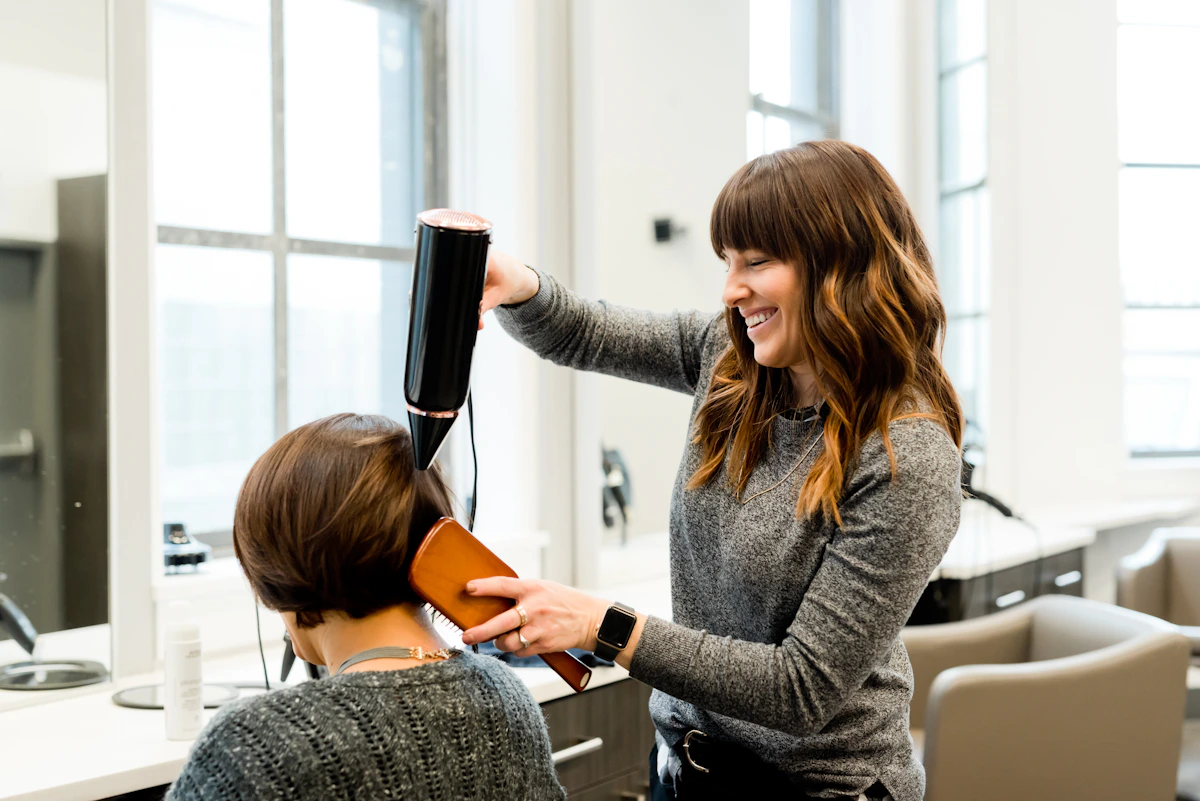
Hairstyles became as important as clothing. Cinema popularised voluminous bouffants, pin curls and the long, side-parted look associated with Amitabh Bachchan. A salon visit could transform an everyday outfit into something recognisably current.
Bandanas, scarves and veils also doubled as hair accessories. Many of these ideas return whenever retro styling cycles back into view, even if contemporary versions are softer or more individual.
1. More freedom to choose
The decade’s most lasting contribution may have been wider participation. Fashion was no longer presented only as the preserve of an elite circle. Students, office workers and homemakers increasingly experimented with new cuts, separates and hairstyles.
Midis and maxis offered alternatives to miniskirts; salwar kameez designs became more fitted and varied; jeans and T-shirts changed men’s casual wardrobes. Not everyone welcomed these changes, and access differed widely, but the expanding range made personal preference more visible.

What defined the decade?
- Traditional garments were restyled rather than discarded.
- Cinema provided widely recognised fashion references.
- Prints, sunglasses and hair became strong forms of self-expression.
- Everyday wardrobes offered more choice in shape and comfort.